

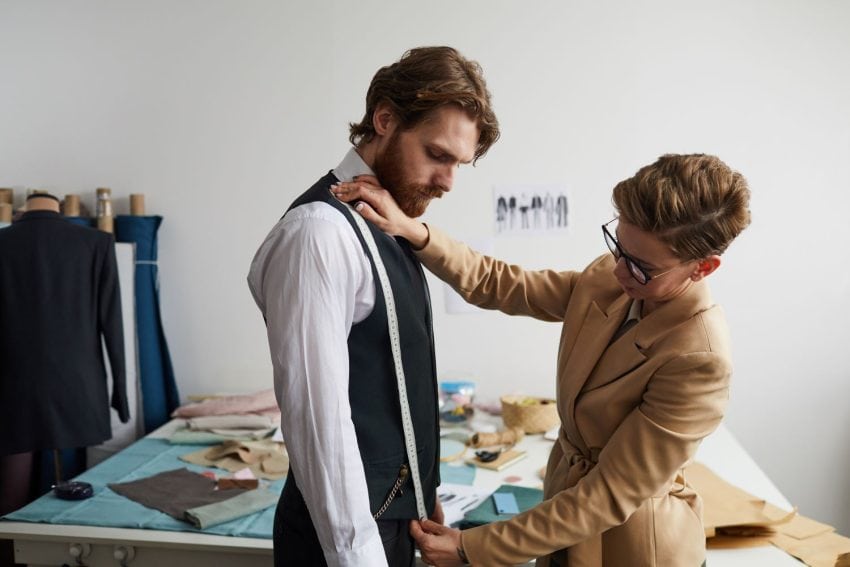
Bangkok has a long-standing reputation as one of the world’s best, and most affordable, places to get custom clothing. When done right, a visit to a BKK tailor yields garments that fit better, last longer, and look substantially more refined than ready-to-wear alternatives. We’ve worked with tailors across the city and helped dozens of travelers and expats get suits, shirts, and dresses that felt custom-made for their lifestyles. In this guide we’ll walk you through why choosing a Bangkok tailor makes sense, how to find a reliable shop, what to expect during measuring and fittings, the fabric and construction decisions you should make, and practical tips on pricing, turnaround, and payment. Read on so you know exactly what to ask for, before you sit in the fitting chair.
Why Choose A Bangkok Tailor
Bangkok tailors combine decades of practical experience with competitive pricing and fast turnarounds. Unlike many mass-market garments, custom pieces are made to your exact proportions and posture, so the silhouette actually flatters the way you stand and move. We choose Bangkok tailors for three main reasons:
- Value: Labor and supply chains in Bangkok allow for quality construction at prices often a fraction of what bespoke or made-to-measure costs back home.
- Craftsmanship: Many shops are family-run or staffed by artisans who specialize in tailoring for multiple generations. They understand fit nuances, shoulder slope, sleeve hang, chest contour, that off-the-rack brands usually miss.
- Speed and flexibility: If you need a suit in a week, it’s often feasible. If you want special fabric or a unique lining, tailors in Bangkok can source options quickly.
That said, not all tailors are equal. The best outcomes come from choosing a reputable shop, setting clear expectations, and staying involved during fittings. We’ll show you how to do that without getting overwhelmed.
How To Find A Reliable BKK Tailor
Finding a trustworthy tailor is the biggest determinant of whether your garment will exceed expectations. We recommend this multi-step approach:
- Start with referrals and recent photos. Ask friends, hotel concierges, or community groups for tailors whose recent work they can show. Photos of finished garments reveal fit and finishing in a way claims can’t.
- Read recent reviews, not just star ratings. Look for mentions of consistency across fittings, communication, and post-pickup adjustments. Reviews from the past 6–12 months are most relevant.
- Visit several shops in person. The look and feel of the workshop matters: clean, organized spaces and visible sample garments are good signs. Watch how they handle fabrics and whether they measure with care.
- Ask about experience with your garment type. Some shops excel at men’s wool suits: others are specialists in bridesmaid dresses or embroidered outfits. Choose a tailor whose portfolio matches your needs.
- Request references or examples of work in your size and style. If they can’t or won’t, that’s a red flag.
Finally, trust your instincts. We’ve walked away from otherwise polished shops when communication felt muddled, clear back-and-forth is essential for a good outcome.
What To Expect During The Consultation And Measuring Process
A thorough consultation sets a project up for success. Here’s what we make sure happens during a productive first meeting:
- Style discussion: You’ll talk through silhouettes, lapel types, collar choices, pocket styles, vents, and linings. Bring images, photos from magazines or Pinterest help avoid misunderstandings.
- Fabric selection: We inspect swatches together and discuss weight, seasonality, and drape. If you plan to travel home with the garment, consider wrinkle resistance and travel-friendly weaves.
- Measuring: Expect at least 20–30 precise measurements for a suit (chest, waist, seat, shoulder width, arm length, sleeve opening, rise, thigh, inseam, etc.). Tailors will also observe posture and muscle tone to adjust patterns.
- Pattern and sample: The tailor will draft a paper or digital pattern from measurements and, often, make a basted (loosely sewn) sample to test fit.
- Timeline and costs: You’ll agree on price tiers (fabric, construction level, custom details) and delivery dates.
We always ask tailors to explain their construction choices in plain language, canvas vs fused chest, full- vs half-canvas, single- vs two-ply buttons, so we can make informed tradeoffs between cost and longevity.
Fabric, Style, And Construction Choices (What To Ask For)
Understanding fabric and construction helps you get value for money. Here are the core decisions and the questions we typically ask:
- Fabric weight and fiber: For suits, ask about Super numbers, fabric weight in grams, and composition (wool, wool blends, linen). For shirts, ask about thread count and fabric finish (poplin, twill, oxford). We favor midweight wools (240–280 g/m) for year-round suits.
- Canvas vs fused: Canvas (full or half) gives structure and aging: fused construction is cheaper but can delaminate. Ask whether the chest has a floating canvas and how they finish the lapel roll.
- Lining: Full lining increases durability and drape: partial or no lining can be cooler and lighter. Ask about lining material, polyester is common, Bemberg is nicer.
- Stitching details: Look for hand-pick stitching on lapels, reinforced buttonholes, and bar-tacking at stress points. These small details extend the life of the garment.
- Functional choices: For shirts, ask about collar stays, gussets, and placket style. For suits, discuss vents, pocket styles, and trouser details like side tabs or belt loops.
We recommend prioritizing fit and construction over flashy details. A well-constructed plain suit will outclass an ill-fitting showpiece every time.
Pricing, Turnaround Time, And Payment Best Practices
Pricing in Bangkok varies widely based on fabric and construction. Here’s how we manage expectations and protect ourselves:
- Understand the pricing structure: Basic shirts, mid-range suits, and premium bespoke suits fall into different bands. Ask for a written quote that breaks down fabric, construction, and alteration costs.
- Turnaround time: Standard turnaround is often 7–14 days for suits and 3–7 for shirts, but allow buffer time for adjustments. If you need rush service, expect higher fees.
- Deposit and payment: Most tailors ask for a deposit (30–50%). Pay the balance on final pickup after the last fitting. We avoid paying the full amount upfront unless there’s a long-standing relationship.
- Currency and receipts: Confirm which currencies they accept and get a detailed receipt. If you paid a deposit in cash, request a signed acknowledgment.
- Bargaining: Reasonable negotiation is normal, but don’t expect steep discounts on premium fabrics or complex bespoke work. Instead, ask for value-adds, free alterations or upgraded lining.
Keeping communication written (photo messages, WhatsApp) helps prevent disputes about agreed specifications, price, or delivery date.
Fittings, Alterations, And Quality Checks Before Pickup
Fittings are where the garment comes to life. We treat them as collaborative problem-solving sessions:
- First fitting (basted/sample): This is to verify silhouette, major balance points, and ease. Bring the shoes you’ll wear with the garment so they can set trouser length and jacket break correctly.
- Second fitting: The tailor refines sleeve length, waist suppression, crotch depth, and trouser taper. Expect to try on the garment several times in small increments.
- Final fitting: Inspect hems, buttonholes, lapel roll, and lining. We test pockets, check for puckering, and sit/move to ensure comfort.
- Common fixes: Shortening sleeves, adjusting trouser waist, raising/lowering button stance, and tweaking shoulder canvas are typical post-fitting alterations.
- Quality checklist before pickup: Symmetry in lapels and pockets, secure stitching, even hems, functioning buttons, proper trouser break, and label accuracy (fabric, care instructions).
We politely ask tailors to show us inside the garment, canvas, seam finishes, so we can confirm construction matches what we paid for. If anything feels off, request adjustments rather than accepting and hoping it will loosen up with wear.
Conclusion
Working with a BKK tailor can deliver exceptional value: outstanding fit, durable construction, and a personalized wardrobe that’s difficult to replicate with off-the-rack pieces. The difference between a great result and a disappointing one is usually the shop selection, clarity during the consultation, and attentiveness during fittings.
Approach the process armed with photos, a few clear preferences, and an understanding of fabric and construction trade-offs. Communicate openly, take part in fittings, and protect yourself with written agreements on price and timeline. When you do, Bangkok’s tailoring scene can produce garments that look, and feel, like they were made just for you.
Common Questions To Ask At Your First Consultation
- Can you show recent examples of work in my size and style?
- What is the composition and weight of this fabric?
- Do you construct the jacket with a full canvas, half canvas, or fused chest?
- How many fittings are included, and what happens if additional alterations are needed?
- What is the exact timeline, deposit required, and refund/alteration policy?
How Measurements, Patterns, And Sample Garments Work
We’ve found it helpful to understand the three-step workflow most reputable tailors use:
- Measurements: They record detailed dimensions and observe posture. Notes about dominant hand, shoulder slope, or a forward head posture are important and inform pattern adjustments.
- Pattern drafting: The tailor converts measurements into a paper or digital pattern. This pattern is the template they’ll adjust during fittings, think of it as the blueprint.
- Basted/sample fitting: A loosely sewn version (often in cheaper fabric or muslin) lets you and the tailor confirm proportions without committing to final stitching. Changes here are inexpensive: changes after final assembly are costlier and sometimes impossible without visible repairs.
Knowing this process helps you prioritize the first fitting as the critical moment to catch issues. If you leave corrections until pickup, you’re likely to pay more and wait longer.
We hope this guide helps you approach your next BKK tailor with confidence. Bring good references, ask the right questions, and stay involved, your perfect fit is waiting in Bangkok.